
10/15/26
There’s just something about the news lately. Headlines about inflation, interest rates, stock market swings, and uncertainty about the economy. It can feel overwhelming! Especially when you have money invested and you’re trying to figure out what any of it means for your money.
Being invested in the market can feel like an emotional rollercoaster. One day, the news makes you feel good about your investments, and the next, you’re wondering if you should be concerned. I think it’s important to understand what’s actually happening before jumping to conclusions. Let’s start with inflation.
Inflation measures how the prices of goods and services change over time. When prices rise, your money may not go as far as it once did. For example, if your groceries cost $100 last year and now cost $105, you need an extra $5 to buy the same items. That might not sound like much, but those increases can add up across your monthly expenses.
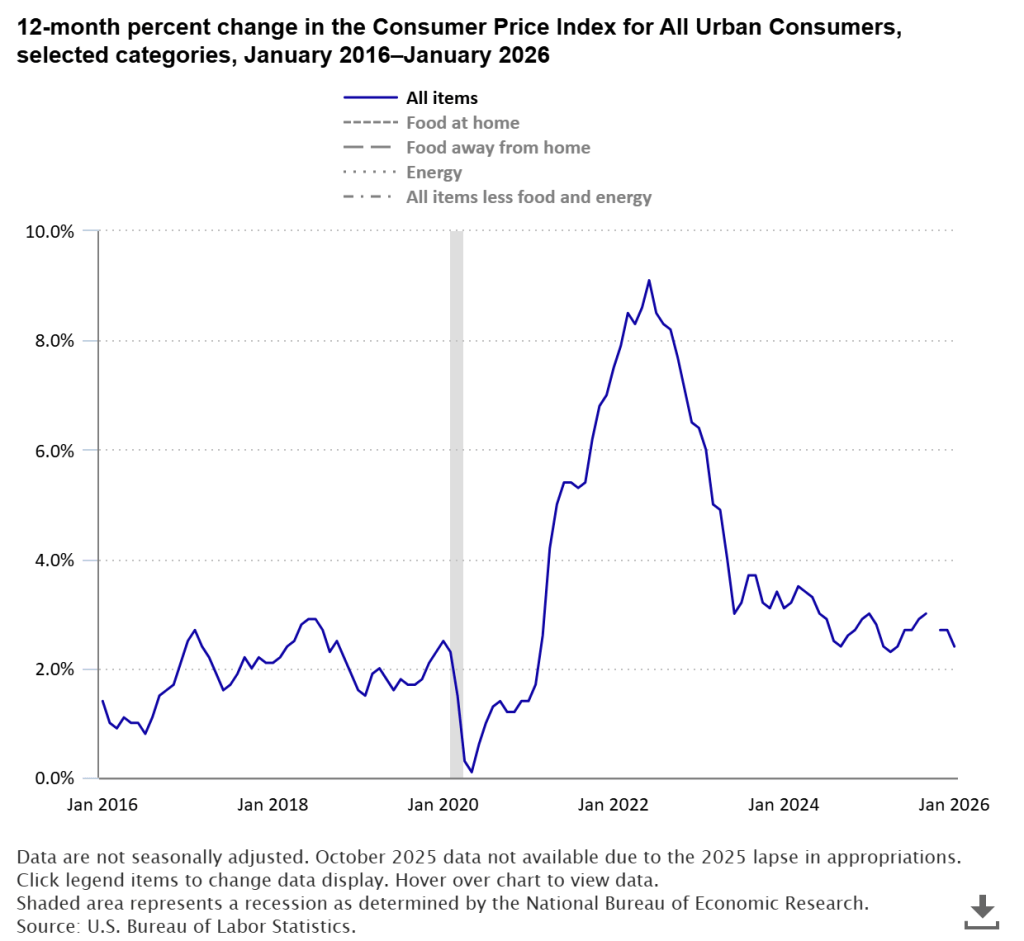
According to the U.S. Bureau of Labor Statistics, consumer prices in September 2026 were 3.7% higher than a year earlier. Gasoline prices rose 9.1% in September alone, accounting for more than half of that month’s overall increase in consumer prices. These changes affect household budgets and can also influence what investors expect to happen next. When inflation rises faster than expected, investors may anticipate that the Federal Reserve will keep interest rates higher or raise them to help control rising prices. This can affect borrowing costs, business expenses, and how investors value companies.
So, for your own portfolio, it depends on where your money is invested. Different investments may respond differently to the same economic changes. However, diversification cannot guarantee profits or prevent losses. Diversification means spreading your money across different investments rather than relying too heavily on one company, asset type, or market segment.
When interest rates rise, existing bonds can lose value, and some stocks may struggle as borrowing becomes more expensive for businesses. On the other hand, some savings accounts may offer higher interest rates, although rates can change. In the end, the same financial headline can affect your money in different ways depending on where you have it.
We can’t control the economy or predict exactly what the market will do next. What we can do is learn how our money works, understand the potential risks, and make decisions based on our financial goals rather than reacting to every headline. You don’t have to predict the market to build a financial plan. Just focus on your starting point, where you want to go, and how your decisions can help you get there.
This is why understanding where your money is held matters. Before choosing a financial product, consider when you’ll need the money, how much risk you’re comfortable taking, and whether protecting your original deposit, or pursuing long-term growth, is your priority.
If you would like a complimentary consultation BOOK HERE.


Leave a Reply