
9/28/26
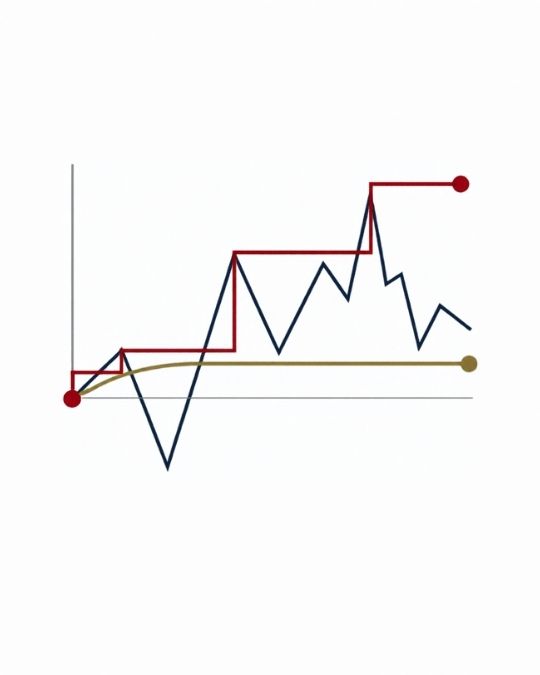
My job is to keep things simple. A quote I have taken from a senior managing director in my company that I incorporate into my own practice is, “If you can’t explain it in a way that a 15-year-old can understand, you’re not doing it right.” Including my post from last week, 3 Common but Major Money Problems, I like to break up concepts into digestible portions, generally sections of three. For this, I like to explain there being three broad categories of investing: fixed, variable, and indexed.
When I think of fixed accounts, I picture a flat or slowly increasing line on a chart. The idea is that your money is earning interest at a stated rate rather than moving up and down with the stock market. Think of traditional checking and savings accounts, high-yield savings accounts (HYSAs), and certificates of deposit (CDs) as familiar examples of interest-bearing accounts. The reason I use the word “fixed” to help explain this concept is because the return is based on a stated interest rate, or formula, rather than directly following the daily movement of the market. In simple terms, you know how the account is designed to calculate your interest, which can make the potential growth of your money easier to understand and predict.
When it comes to variable accounts, I picture a line chart that moves up and down. Unlike fixed accounts, where the interest is based on a stated rate or formula, variable investments are affected by the performance of the underlying investments or market. Think of stocks, mutual funds, and other market-based investments. If the investments perform well, the value of your account can increase, but if they perform poorly, the value can decrease. This means you typically do not know exactly what your future return will be. Instead, your results will vary based on how the investments perform. In simple terms, variable means your money has more opportunity to grow, but its value can also fluctuate.
For indexed accounts, I picture a line chart that follows the general direction of a market index but with its own set of rules. Indexed products use the performance of an index, such as the S&P 500, as part of the formula used to determine your interest or return. However, this does not mean you directly own the index or receive all of its gains. Depending on the specific product, things such as caps, participation rates, spreads, and other terms can affect how much interest you actually receive. Some indexed products may also include features designed to limit losses. In simple terms, indexed means your potential return is connected to the performance of an index, but the actual return is determined by the specific rules of the product.
In the end, each strategy serves its purpose with its own pros and cons. Every individual will have their own investing style. My goal is to take concepts that can seem complicated and break them down into something more understandable. Whether your money is in a fixed, variable, or indexed investment, the most important thing is knowing how your money is designed to grow, what risks come with it, and whether it aligns with your goals.
If this post interested you, please book a 1:1 educational workshop with me!
Designed with WordPress


Leave a comment